Today is a day for CES keynotes, and up next is Intel. Here we'll be getting SVP Greg Bryant to talk us through the next generation of hardware launches coming in 2022. We already know that Intel is launching graphics in Q1, but will this be the place to share more details?
While CES may have started out as the Consumer Electronics Show, the global event has over the years expanded to include everything from enterprise technologies to automobiles. As a result, the show has not only been a regular keystone event for things like CPU and GPU announcements, but it’s also become home to major automotive technology announcements as well. And for Intel’s autonomous driving subsidiary, Mobileye, those two paths are coming directly together this year, as this morning the group is announcing their next-generation Level 4 autonomous driving SoC, the EyeQ Ultra.
As part of a jam-packed CES keynote presentation this morning, AMD has announced a slew of updates to its mobile graphics lineup. Altogether, AMD is introducing one new GPU and 8 new SKUs this morning, almost quadrupling the size of their mobile graphics parts catalog. Combined with the Ryzen 6000 Mobile series announcement, it’s clear that this year AMD is going to be heavily focusing on laptops, and that is going for both their CPU(APU) and GPU businesses.
The notebook market is a tough nut to crack with a single solution. People want that mix of high performance at the top, cost effectiveness at the bottom, and throughout there has to be efficiency, utility, and function. On the back of a successful ramp last year, AMD is striking the notebook market hot again in 2022 with the launch of its new Ryzen 6000 Mobile processors. These ‘Rembrandt’ APUs feature AMD’s latest RDNA2 graphics, up to eight Zen3+ cores with enhanced power management features, and it uses TSMC’s N6 manufacturing process for performance and efficiency improvements.
One of the things I look forward to every year is whether the major companies I write about are prepared to showcase their upcoming products in advance – because the year starts with the annual CES trade show, this is the perfect place. A company that’s able to present its 12-month portfolio comes across as confident in its ability to deliver, and it also gets the rest of us salivating at the prospect of next-generation hardware. This time around AMD steps up to the plate to talk about its new V-Cache CPU coming soon, and its new Zen 4 platform coming in the second half of the year.
It's the first week of a new year, which can only mean it's the annual CES trade show! As per usual, the big names have major presentations set up to outline their products for the rest of the year. We're starting bright and early today with AMD first out of the gate, and we're expecting CEO Dr. Lisa Su to present details about the upcoming Ryzen processors as previewed yesterday at the CES awards. Come join us at 7am PT / 10am ET / 15h00 UTC to get all the details.
An extra bit of memory can breathe all new life into your computer, and make heavy tasks like gaming and multi-tasking a breeze. With enough RAM, you won’t need to worry about leaving a couple extra browser tabs open. So why don't you take a look at our guide to the best RAM prices and deals.
Even if you were thinking of buying a brand new Mac, MacBook or pre-built PC instead of building your own setup this year, you can often save a bit of cash by not paying extra for an upgraded RAM model. This can work out quite an expensive way to add memory, and instead it’s far cheaper to purchase RAM separately, especially if you can find the best RAM deals like we have found below.
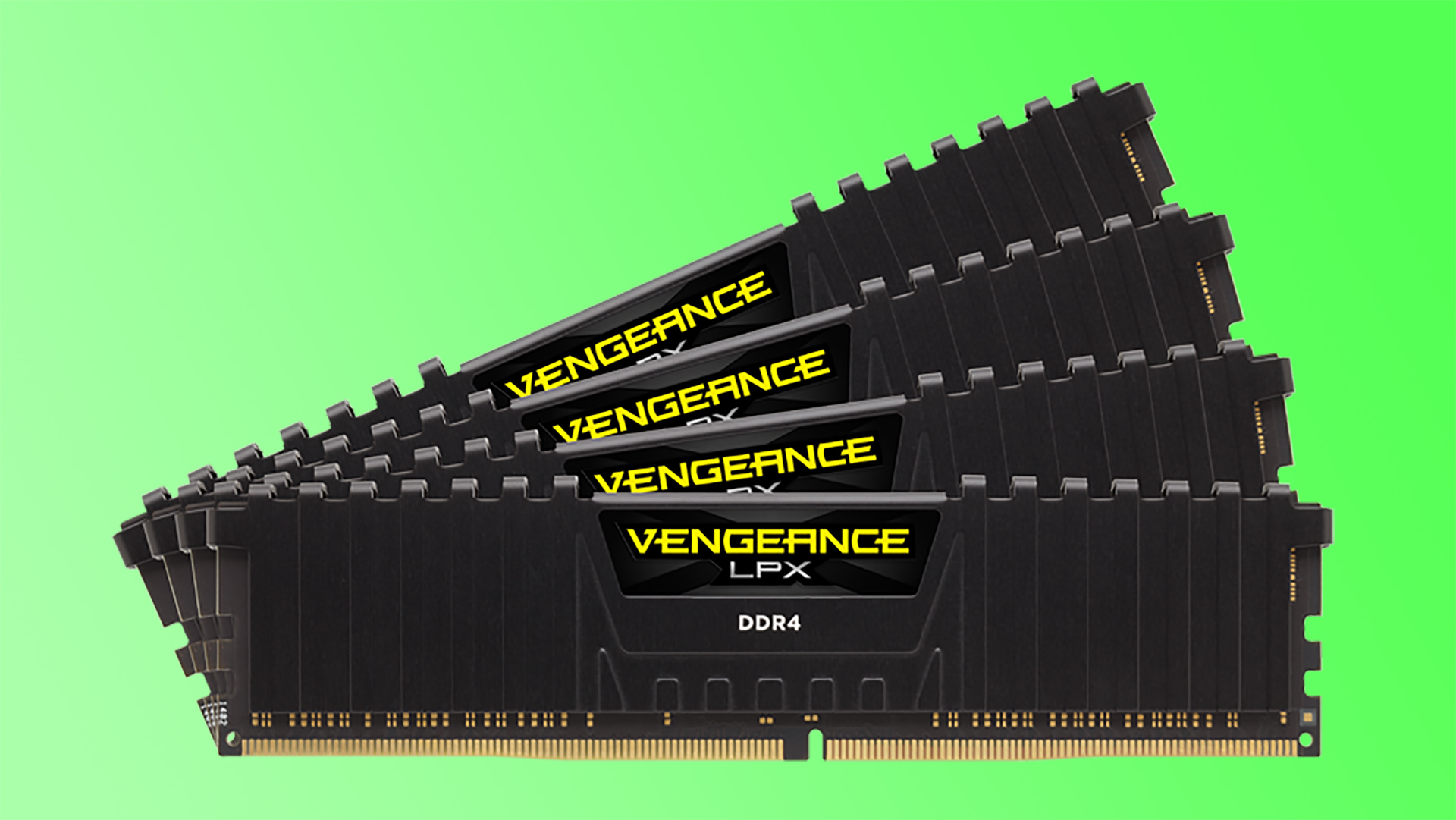
DDR4 RAM is the fastest memory that came on the block just a few years ago. At first, it was prohibitively expensive for anything but the most extreme gaming PCs, but now you can find it in many mainstream laptops or desktops. The Corsair Vengeance LPX is among one of the most solidly reliable kits of RAM you can purchase. It’s low-profile form factor makes it an easy fit for most PC builds, and its 2,400MHz starting speed is plenty quick too.
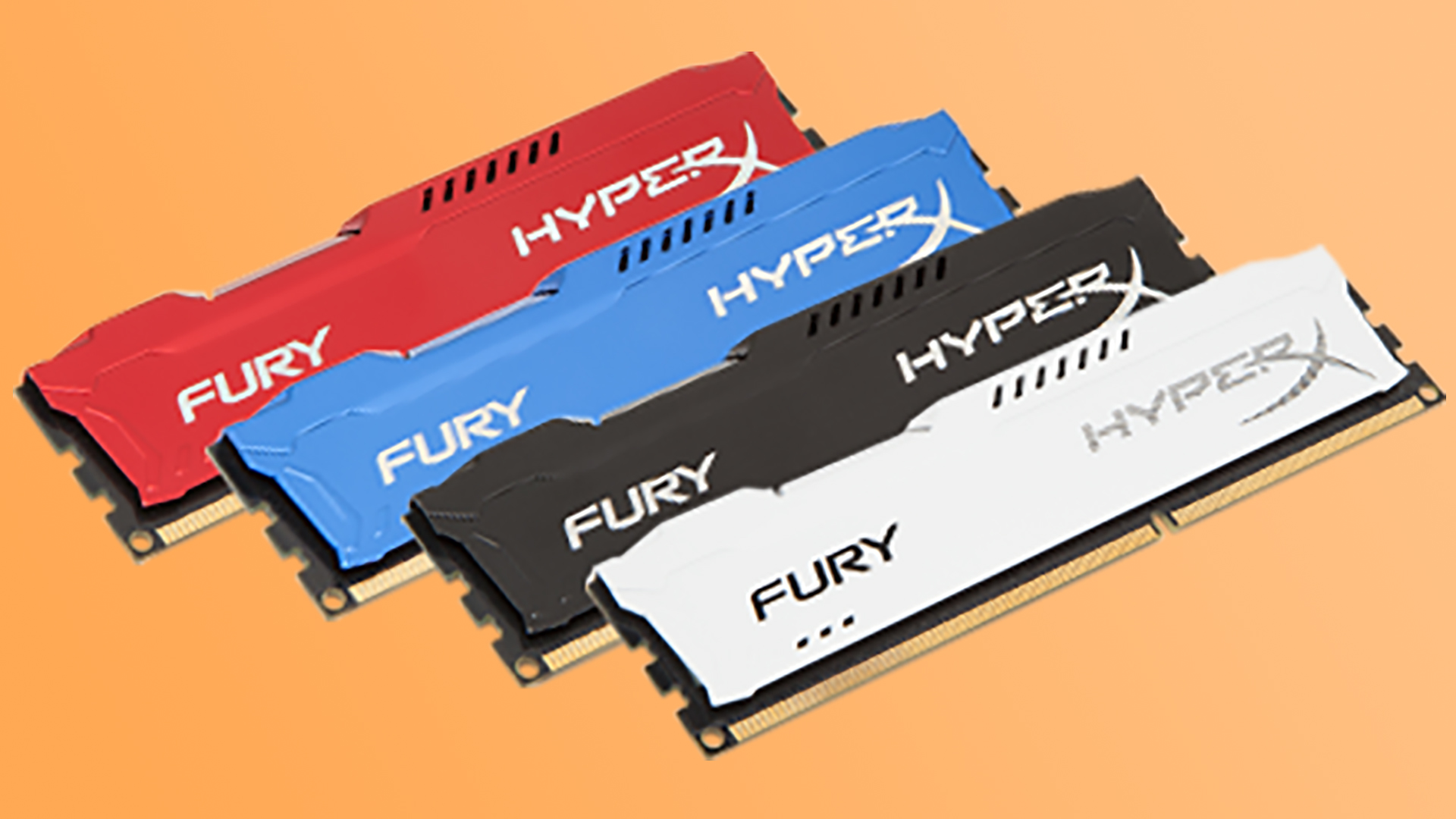
DDR4 RAM might be the fastest and hottest memory on the market now, but more than a few PCs aren’t designed with the right slot for it. Fear not, though, with DDR3 RAM going on its way out, you’re bound to find even more amazing deals on it, like this set of Kingston HyperX Fury memory. Like the Corsair kit above, Kingston makes solidly reliable RAM and they also feature low-profile designs to work with most PC builds.
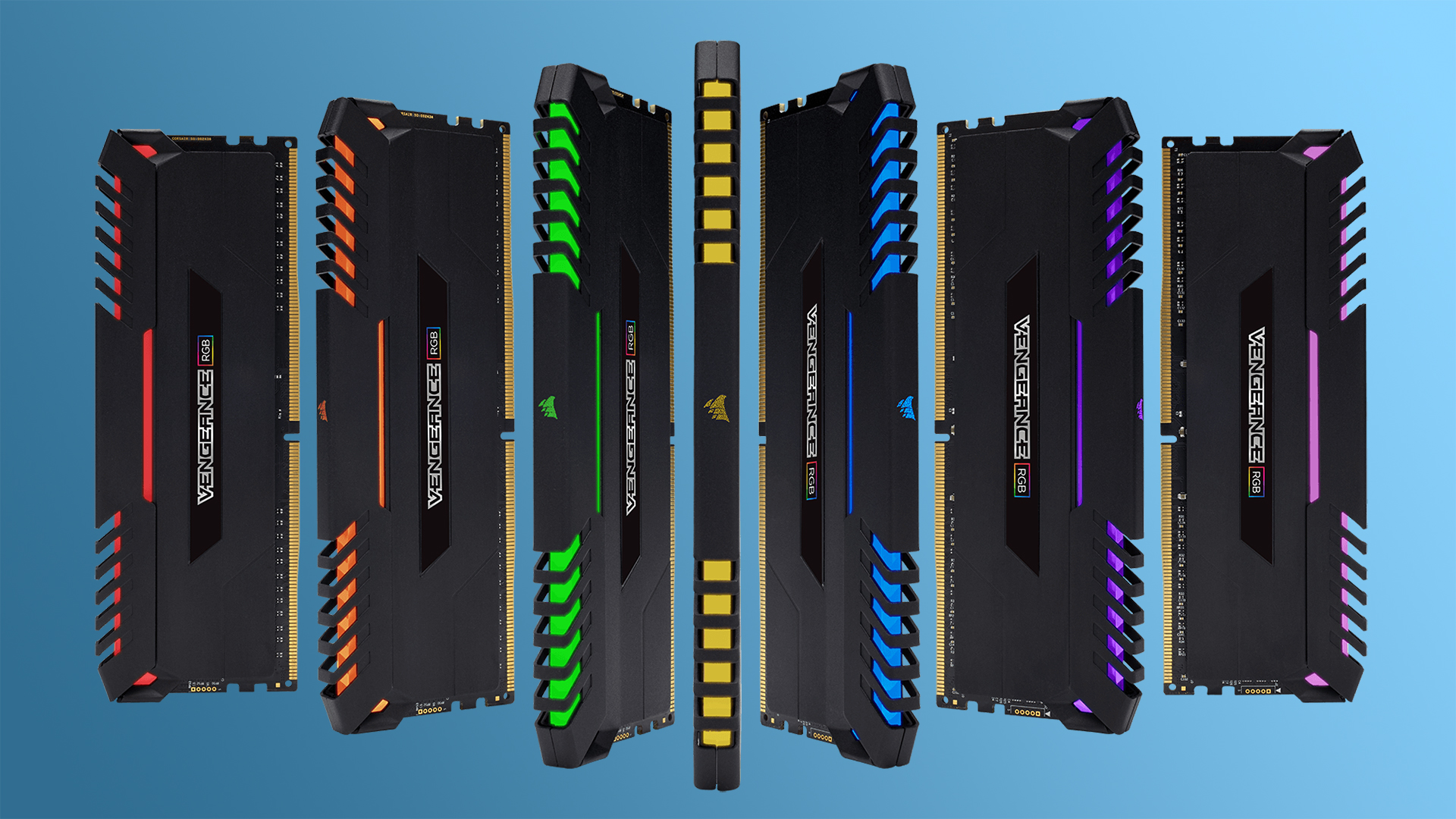
Gaming requires a higher-class of memory, and this usually means higher frequencies, bigger capacities and a better cooling solution to keep it running, especially if you’re overclocking it. With all this in mind, you should check out the Corsair Vengeance RGB, which features a taller heatsink, a faster 3,000MHz frequency and RGB lighting over the DDR4 set of Vengeance LPX memory we pointed out earlier.
Best Mac RAM deal
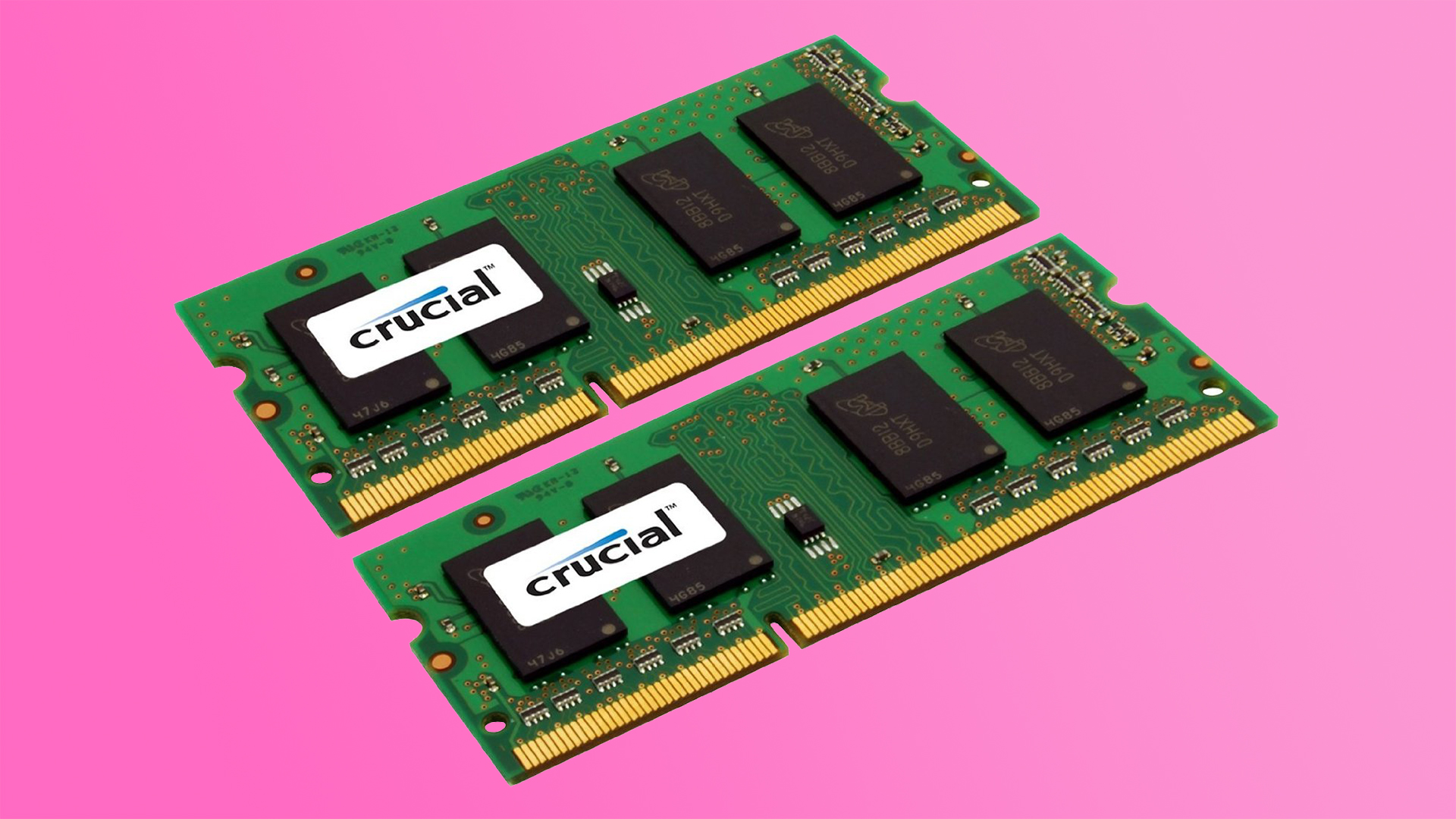
Crucial 16GB Kit (8GBx2) Memory for Mac
The most affordable way to upgrade your Mac systems
Adding extra memory to any Mac is notoriously expensive. Instead of throwing Apple a few extra hundred bucks, you could simply double or even triple the amount of RAM on your system with an inexpensive kit. Crucial is another proven RAM maker, and you’ll definitely want to check out its 16GB or 32GB memory kits that will cost far less than the corresponding upgrades provided through the Apple Store.
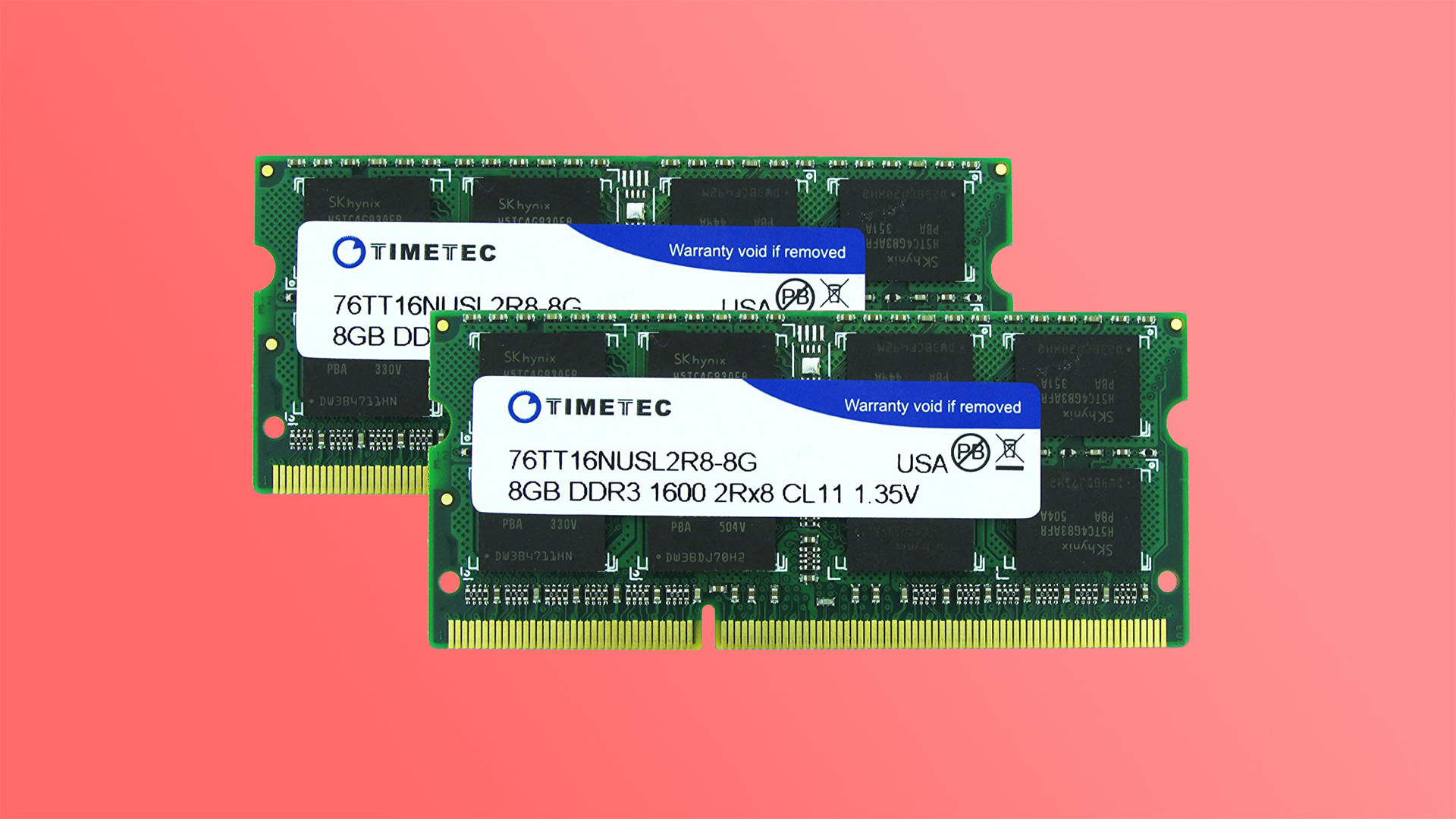
MacBooks aren’t the only laptop that you can add extra memory to. As long as they aren’t glued together, like a Surface Laptop, upgrading your RAM is one of the easiest things you can do to improve the performance of your notebook. TimeTic makes relatively inexpensive kits of Hynix IC RAM that could seriously bump up your memory capacity.
What is RAM?
RAM is an acronym for Random-Access Memory. It is one of the fundamental pieces of the computing puzzle alongside the processor (or CPU) and classic storage (usually coined as ROM for Read Only Memory).
RAM is needed in order to facilitate data transfer to and from your system storage (can be hard disk drive or solid state drive). The processor is the one that does the compute, the calculations etc and just next to it sits the cache, which is a super fast version of RAM but only available in tiny amounts (up to a couple of hundreds of MB at most).
Then comes RAM (usually around 16GB on standard computers) and beyond that system storage. The further they are from the processor, the cheaper they are per unit storage and the slower they become.